Spatial Concepts

Exploring urban entertainment concepts and spatial formats that define the modern landscape of the UAE.

Urban Entertainment Formats

Our analytical approach examines how spatial concepts create engaging environments for entertainment and social interaction in urban settings.

Exhibition Zones

Exhibition Zones

Analyzing how exhibition spaces create immersive experiences through spatial design and interactive elements.
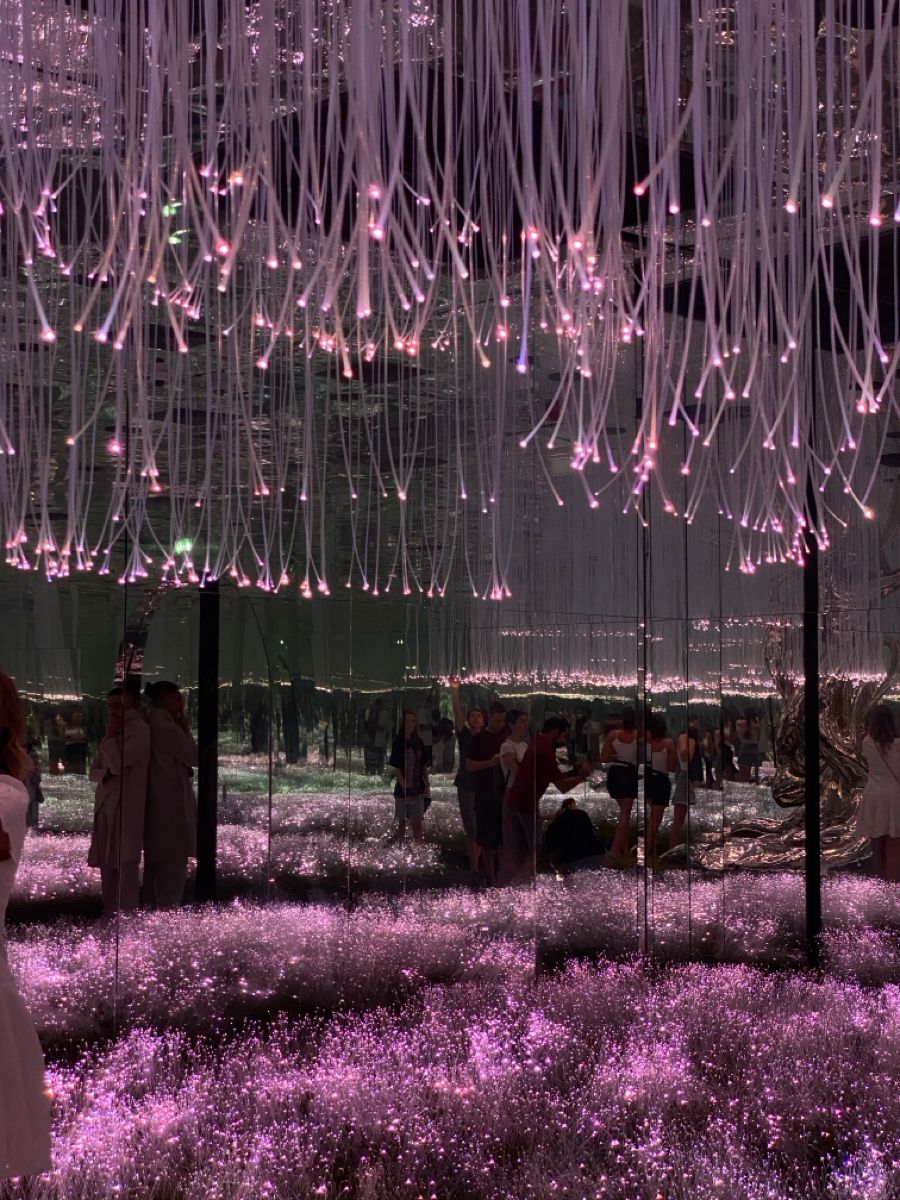
Interactive Environments

Interactive Environments

Modern interactive spaces that engage visitors through technology, design, and spatial arrangement.
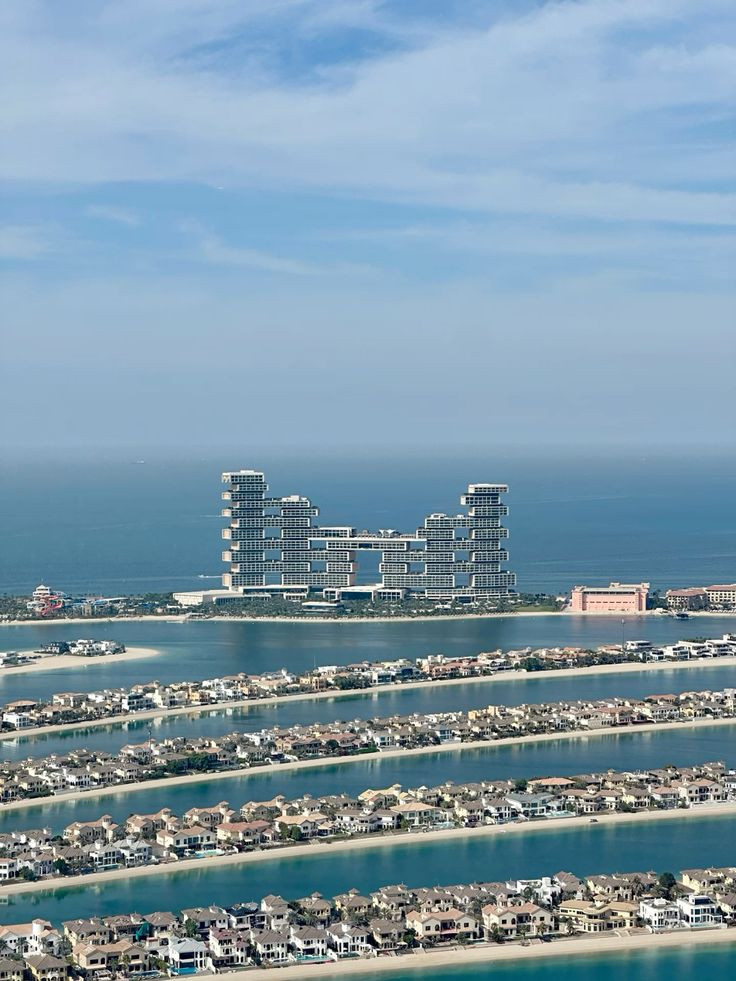
Water Territories

Water Territories

Exploring how water features and aquatic spaces create unique entertainment and relaxation environments.
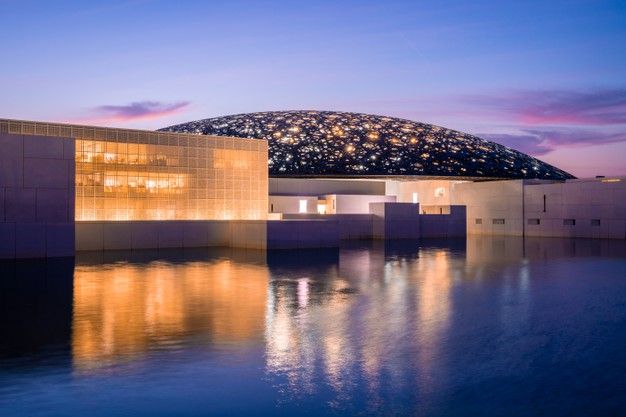
Light Programs

Light Programs

Analyzing how lighting design transforms spaces and creates emotional connections through visual experiences.
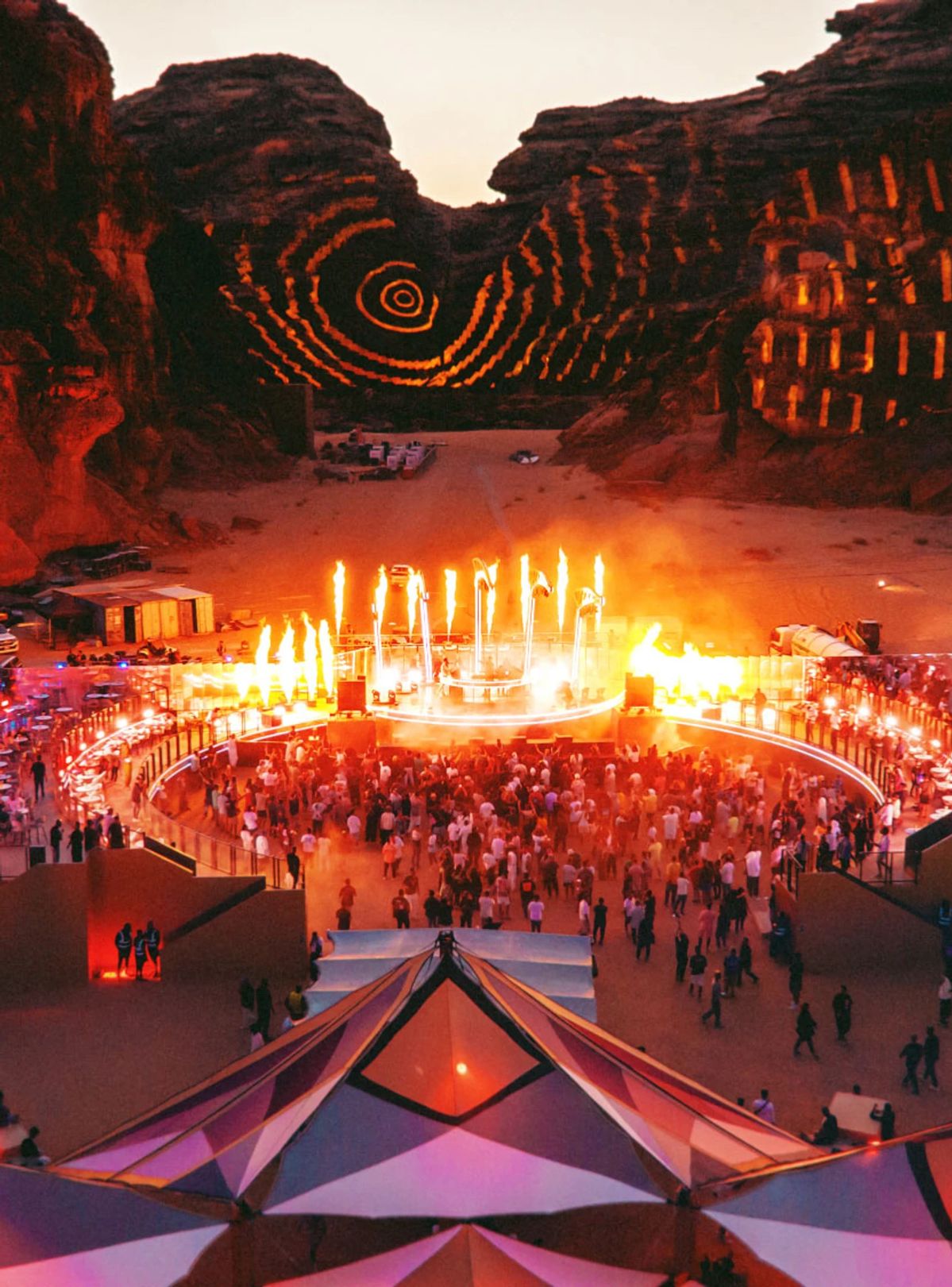
Stage Programs

Stage Programs

Examining how stage design and performance spaces create memorable entertainment experiences.
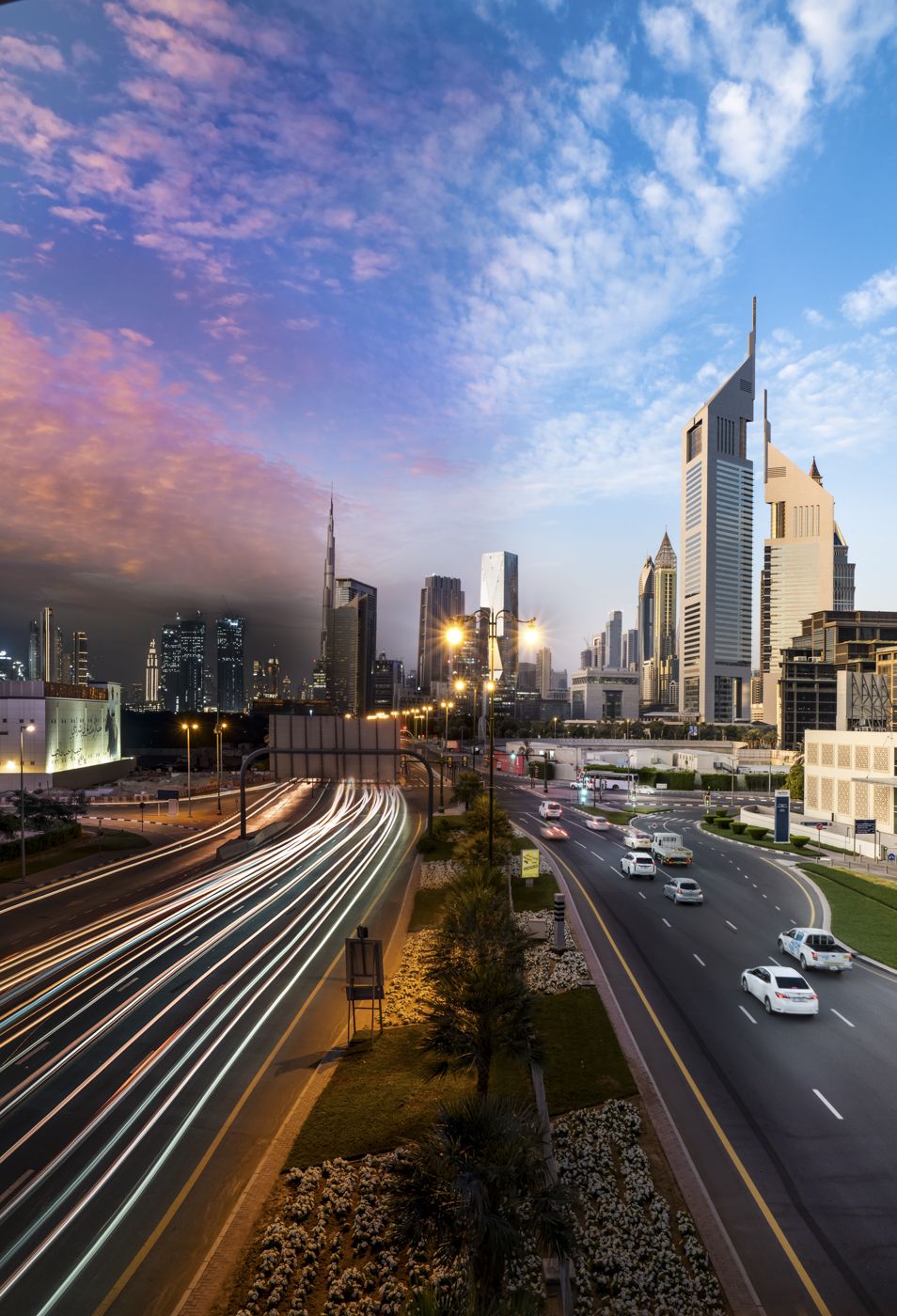
Urban Activity Patterns

Urban Activity Patterns

Understanding how spatial design influences movement, interaction, and overall urban experience.

Spatial Format Comparison

Analytical comparison of different spatial formats and their characteristics in UAE entertainment environments.

Spatial Format Structural Elements Emotional Impact Functional Purpose Location Examples
Exhibition Zones Modular displays, flexible layouts High engagement, immersive Information delivery, interaction Dubai Marina, Downtown
Interactive Environments Technology integration, responsive surfaces Dynamic, participatory Entertainment, education Entertainment districts
Water Territories Aquatic features, flow patterns Calming, refreshing Relaxation, social gathering Marina areas, waterfronts
Light Programs Illumination systems, color dynamics Atmospheric, transformative Ambiance creation, navigation Urban centers, landmarks
Stage Programs Performance areas, viewing zones Entertaining, memorable Cultural events, shows Entertainment venues

Frequently Asked Questions

What defines a spatial concept in urban entertainment?

Spatial concepts in urban entertainment refer to the analytical framework that examines how physical spaces are designed, organized, and experienced. This includes the structural relationships between architectural elements, the emotional depth created through design choices, and the functional characteristics that enable specific activities and interactions. Our approach identifies how these concepts shape visitor experiences in UAE entertainment environments.

How do exhibition zones create immersive experiences?

Exhibition zones utilize modular displays and flexible layouts to create immersive experiences through spatial arrangement. The analytical framework examines how these zones guide visitor movement, create focal points, and enable interaction with content. The emotional impact is achieved through careful consideration of scale, lighting, and material choices that engage multiple senses and create memorable impressions.

What role do water territories play in spatial design?

Water territories serve multiple functions in spatial design, creating calming and refreshing environments while enabling social gathering and relaxation. The analytical approach examines how aquatic features and flow patterns influence visitor behavior, create visual interest, and contribute to the overall emotional atmosphere of entertainment spaces. These territories often serve as central elements that organize surrounding spatial arrangements.

How are light programs integrated into spatial experiences?

Light programs transform spaces through illumination systems and color dynamics that create atmospheric conditions and guide navigation. The analytical framework examines how lighting design influences emotional responses, creates visual hierarchy, and enables functional activities. These programs are integrated to work in harmony with architectural elements, enhancing both the aesthetic and practical aspects of spatial experiences.

What makes interactive environments engaging?

Interactive environments engage visitors through technology integration and responsive surfaces that create dynamic, participatory experiences. The analytical approach examines how these environments respond to visitor presence and actions, creating personalized interactions that adapt to individual preferences. The engagement is achieved through the combination of structural design, technological capabilities, and spatial arrangement that encourages exploration and participation.

Analytical Framework

Structural Analysis

Identifying key structural elements that define spatial experiences and their functional relationships.

Emotional Mapping

Understanding the emotional depth and psychological impact of spatial design on human experience.

Functional Characteristics

Examining how spaces serve practical purposes while creating engaging and memorable environments.